Business Name: BeeHive Homes of Great Falls
Address: 2320 15th Ave S, Great Falls, MT 59405
Phone: (406) 205-4516
BeeHive Homes of Great Falls
At BeeHive Homes of Great Falls in Great Falls, MT, we offer assisted living, respite care, and memory care for people with dementia. Our residents enjoy living in a cozy place with knowledgeable and caring staff. We aim to meet each person's changing care needs and keep residents as independent as possible. We also plan events and senior living activities based on their interests and skills. Contact us immediately to learn more about how we can help your senior today!
2320 15th Ave S, Great Falls, MT 59405
Business Hours
Monday thru Sunday: Open 24 hours
Facebook: https://www.facebook.com/beehivehomesgreatfalls
Instagram: https://www.instagram.com/beehivehomesofgreatfalls
Caregiving rarely starts with a grand plan. More frequently, it unfolds with little acts that collect. A child drops in before work to help her father choose clothes. A spouse starts coordinating medications and doctors' visits. A grand son takes control of grocery runs. Then a year passes, possibly 3, and the routine that once felt workable now operates on caffeine and alarm clocks. Your house is safe enough, primarily. Laundry piles up. Everybody is stretched thin. This is the area where respite care belongs, though many families wait longer than they require to.
Respite care is short-term, temporary support for an individual who requires support with day-to-day living, used in the house or in a neighborhood setting. It provides the main caregiver time to rest, travel, or capture up on parts of life that have actually been sidelined. The person receiving care gets trusted assistance from professionals utilized to stepping in quickly. Utilized well, respite protects both celebrations from burnout and protects the relationship that matters most.
What caregivers discover first
The early indicators that it is time to check out respite are hardly ever remarkable. They appear in the texture of life. A middle-aged son begins sleeping on the couch near his mother's room due to the fact that she sundowns and wanders during the night. A partner who prides himself on patience feels flashes of irritation while assisting with bathing. A sis finds herself calling in ill to work after another night of chasing down missing out on medications. These are not failures, they are signals that the work has surpassed a single person's sustainable capacity.
One strong indication is the drift from proactive care to constant crisis management. When the week is a string of near-misses and last-minute repairs, the system needs reinforcement. Missed out on meals, medication mistakes, falls without serious injury, and skipped treatment visits are all concrete signs. The person receiving care may likewise begin to show the stress: minimized cravings, weight reduction, sleep disturbance, dehydration, or heightened confusion. Those changes frequently show irregular regimens, which respite can help stabilize.
Another indication comes from outdoors. If a doctor, nurse, or physiotherapist recommends additional assistance, take it as a gift. Clinicians acknowledge patterns of caregiver tiredness and patient decline earlier than households do. I have actually beinged in living rooms where a straightforward weekly respite visit turned a spiraling situation into a steady one within a month. The caretaker slept. The client ate on time. Your home quieted. Little adjustments worked due to the fact that care was shared.
What respite care actually looks like
Respite is a flexible category. It can be two hours on a Tuesday or three weeks in a certified neighborhood. Done in the house, respite might mean a home health assistant comes two times a week for bathing, meal preparation, and companionship. It might include an adult day program where your mother sings with a group, consumes lunch, and returns home at four, tired in the excellent way. In a neighborhood setting, respite can be a short-term stay inside an assisted living or memory care residence. The person relocates for a set duration, typically a couple of days to a couple of weeks, with access to meals, support, and activities.
Each option has a personality. Home-based respite protects familiar surroundings and routines. Adult day programs include social connection and structured activities without an over night stay. Short-term stays in assisted living or memory care provide the deepest protection and can handle more intricate care needs, including dementia-related behaviors or movement difficulties that require two-person support. Households often utilize a mix: a weekly adult day program to anchor the schedule and one or two home visits to manage showers and laundry, then a quick community stay when the caretaker travels or requires surgery.
The best fit depends upon the individual's needs, the caregiver's bandwidth, and the long-lasting plan. If you think a transfer to assisted living within the year, a two-week respite stay can function as a low-commitment test drive. If the goal is to keep the present home setup with much better rest for the caretaker, a constant weekly block of at home respite may make the difference.
The turning point for memory loss
Cognitive modifications complicate everything, from bathing to medication management. Households taking care of someone with Alzheimer's disease or another dementia typically reach the point of requiring respite earlier, partly due to the fact that the care is constant. Wandering, recurring concerns, rejection of care, and sleep reversal are everyday truths for many homes handling amnesia in the house. Respite provides structure and qualified hands that can decrease the temperature level in the home.
Adult day programs customized to memory care can be especially handy. Staff understand redirection strategies, can speed activities to match attention periods, and know when to take a quiet walk instead of push for involvement. In the evenings, you might see less agitation spikes simply since the individual's day had a foreseeable rhythm and suitable stimulation. If habits are more complex, short-term remain in a memory care community can offer the safety and capability needed. Doors are protected, staff ratios are tighter, and the environment is created for orientation and calm.
A typical worry is whether a person with dementia will adjust to a brand-new setting for short stays. Change differs, however familiarity helps. Duplicating the very same adult day program on the exact same days, or booking respite in the same neighborhood, develops acknowledgment. Bring preferred items, brief playlists, a familiar blanket, and a short life story sheet for staff to recommendation. I have actually viewed a resident calm immediately when a team member greeted him with the name of his old pet dog and asked about the bait store he as soon as ran. Those information matter.
The caretaker's health belongs to the care plan
Caregiving is physical labor layered with emotional caution. Even experienced experts rotate shifts for a reason. At home, that rotation seldom exists. If the caregiver's blood pressure is approaching, if they feel lightheaded when standing, or if they have delayed their own medical visits, the plan is already unsteady. Sorrow plays a role too. Taking care of a spouse whose personality is changing or for a moms and dad who can no longer acknowledge you is a quiet, continuous loss. Rest is a requirement for patience.
I look for 3 health flags in caretakers: relentless sleep deprivation, musculoskeletal stress, and anxiety or depression that does not raise in between jobs. If any 2 of those are present, respite is not optional, it is essential. A predictable day of relief each week does more than fill up a tank. It alters how the rest of the week feels since there is a horizon. When the body believes a break is coming, it can withstand the tough hours much better and often manage them more safely.
Cost, coverage, and the math of peace of mind
Families frequently delay respite since they assume it is unaffordable. The real numbers vary by region, service type, and level of care needed. Home care agencies generally bill by the hour with daily minimums, while adult day programs charge a day-to-day or half-day rate that consists of meals and activities. A short-term remain in assisted living or memory care is typically priced per diem and might include a one-time setup cost. In lots of locations, adult day programs end up being the most cost-effective structured alternative for numerous days a week.
Insurance protection is patchy. Long-lasting care insurance plan sometimes repay for respite, specifically if the policyholder currently gets approved for benefits based on assistance with activities of daily living. Medicaid waivers in some states cover adult day or a restricted variety of respite hours at home. Medicare does not generally pay for nonmedical respite, though hospice clients can receive a limited inpatient respite advantage. Veterans might have access to programs through the VA that balance out costs for adult day healthcare or at home assistance. It is worth a couple of calls to a city Agency on Aging and to advantages planners. I have seen households reveal partial financing they did not understand existed, which typically changes a "maybe later" into a "let's schedule this."
There is also the concealed expense of not resting. A caregiver injury or an avoidable hospitalization for the person getting care wipes out months of conserved funds in a week. The objective is not to invest delicately, it is to purchase stability where it counts. Start decently, measure the effect, then adjust.
How to prepare for your first respite experience
Trying respite when and having a rocky very first day prevails. The technique is to prepare well and dedicate to a short series, not a single trial. Think about it as training a brand-new team to support your family.
- Gather the essentials: present medication list, medication administration directions, allergic reaction info, emergency situation contacts, and a concise routine summary for early morning, meals, and bedtime. Include a copy of healthcare instructions if relevant. Write a one-page "about me": former profession, hobbies, favorite foods, music, convenience items, and particular interaction pointers that work. Add 2 or 3 tension sets off to avoid. Pack familiar products: a sweater with a known texture, an identified image book, a favorite mug, or headphones with a short playlist. Little, concrete comforts anchor new settings. Start with foreseeable schedules: same days, very same times, for a minimum of three weeks. Consistency assists both the care recipient and the caregiver's nerve system adapt. Debrief after each session: ask personnel what worked out and what did not, and adjust the plan. Share a small success with the person receiving care so they feel part of the solution.
For in-home respite, a short warm handoff matters. If possible, be present for the very first 20 minutes to demonstrate transfers, reveal where materials live, and share your shorthand for common demands. Then, leave your home. Respite is not watching, and hovering deprives everyone of the opportunity to develop confidence.
Respite inside assisted living and memory care communities
Short-term stays in a neighborhood setting differ from day-to-day in-home support. They require more paperwork, a nurse assessment, and clear start and end dates. This option shines when the caregiver needs complete coverage for travel, illness, or serious rest. Communities offer room and board, help with bathing and dressing, medication management, and activities. In memory care, anticipate protected doors, quieter hallways, and staff trained in dementia-specific techniques.
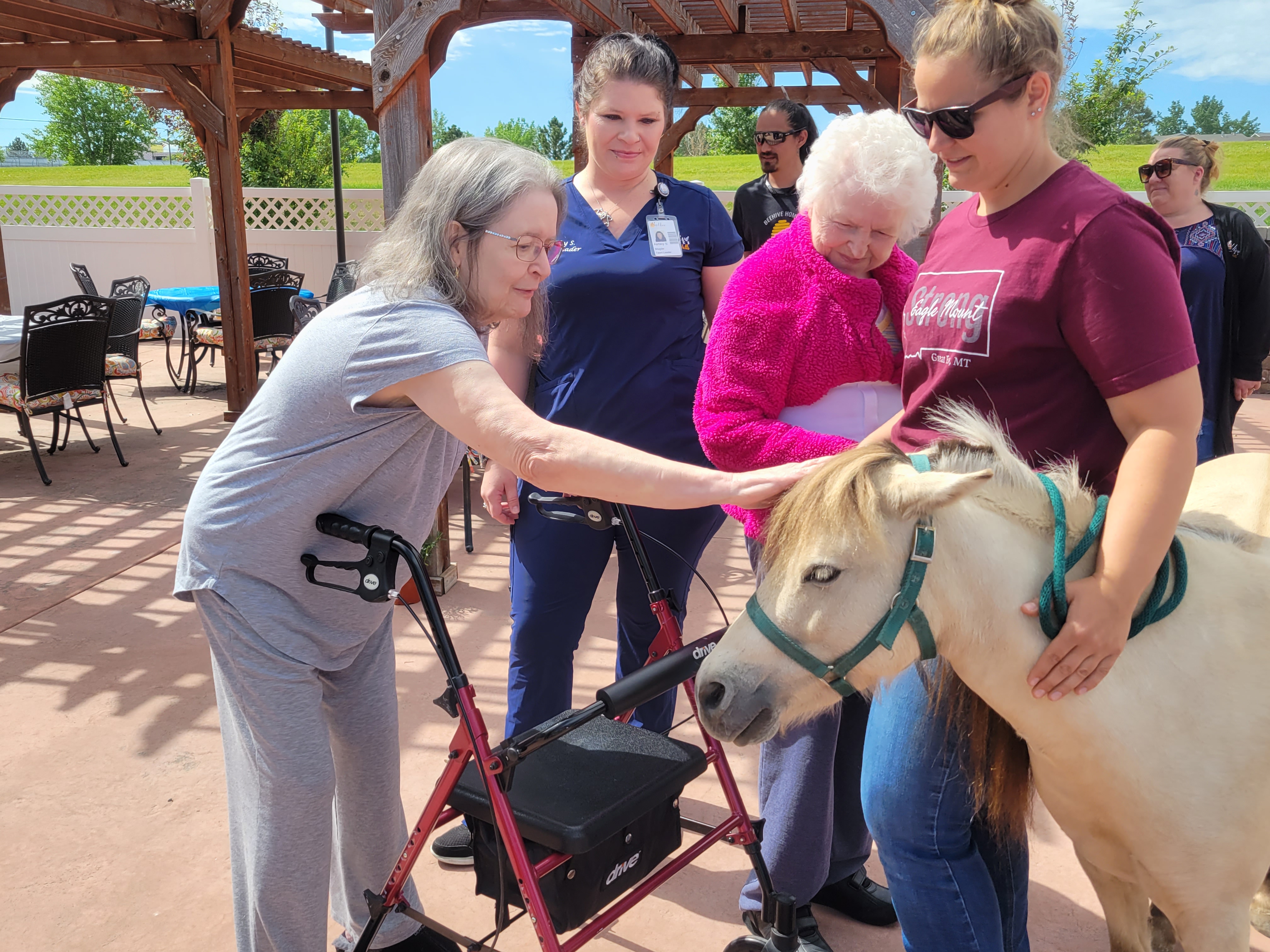
The intake process can feel medical, but it serves a function. Be frank about movement, fall history, continence, and habits. An excellent community will want to match staffing to needs and position the person in a wing that fits. Ask to see a sample day-to-day schedule and a menu. Visit throughout an activity to pick up the energy and the staff's connection. If a neighborhood also provides irreversible assisted living or memory care, a successful respite stay can double as gentle direct exposure. Familiar faces and layout make any future shift simpler on everyone.
Families in some cases stress that a brief stay will confuse the person or result in push to move in completely. A credible community understands that respite has an unique function. Clarify at the outset that this is a specified stay, then evaluate together later. If the person flourishes and asks to return, that is useful data for long-term preparation, not a defeat.

When the resistance is real
Not everybody welcomes aid. A proud father dismisses the concept of a complete stranger in his cooking area. A partner insists this is marriage, not a task to outsource. Resistance is typical, especially the very first time. The secret is to frame respite not as replacement, however as support. You are still the anchor. The group is expanding so you can stay steady.
A couple of strategies lower defenses. Start small, even an hour with a caregiver introduced as a "physical treatment assistant" or "kitchen area assistant." Pair respite with something specific the individual enjoys, like a brief drive or a favorite tv program at a set time, so it feels like an addition rather than a subtraction. Prevent bargaining throughout a challenging minute. Present the concept on an excellent day, mid-morning, after breakfast. If a doctor or relied on professional can advise respite straight, their authority helps. I have seen a difficult no develop into a yes when a family physician stated, "I need you both strong, and this is how we get there."
Seasonal and situational triggers
Certain seasons magnify caregiving. Winter season storms make complex transportation and boost fall danger. Summer heat raises dehydration risks and turns sleep cycles. Vacations disrupt routines and might provoke confusion. These rhythms are not minor. Strategy respite with seasons in mind. Book extra protection throughout tax season if you are the household accounting professional, or throughout school breaks if you are likewise parenting. If a surgery is on the calendar, line up a neighborhood stay well ahead of time, considering that medical recoveries typically take longer than hoped.
There are also situational triggers that require instant respite. A brand-new medical diagnosis that alters mobility overnight, an unexpected health center discharge to home with brand-new devices, or the death of another family member can overwhelm even arranged homes. Short-term, high-intensity respite serves as a bridge while you reset the plan.
How respite engages with the bigger picture
Respite is not a dedication to assisted living or memory care. It is a tool inside a more comprehensive care method. Over months and years, a person's needs change. Respite can ebb and flow, increasing when a caregiver's workload spikes at work, decreasing when a neighbor returns from winter season away and assists with errands. It likewise functions as a reality check. If a three-week neighborhood stay reveals that a person needs two-person transfers and nightly tracking, that information informs whether home stays safe with affordable support. If the person flowers in a neighborhood dining-room and starts consuming square meals once again, that suggests social factors matter more than you thought.
Families often keep an all-or-nothing concept of care: either we do whatever in your home, or we move. Respite uses a third path. Share the load, remain flexible, adjust. It maintains relationships by giving them space to breathe. And it keeps the possibility of home open longer for lots of households, precisely because it reduces exhaustion and error.
Red flags that say "do this now"
If you are unsure whether you have actually tipped from occasional assistance to needed respite, a couple of red flags draw a clear line. When multiple medications are due at various times and dosages have actually been missed out on repeatedly, it is time. When the individual can not safely move without assistance and you are improvising with furnishings to avoid falls, it is time. When a dementia-related behavior like roaming or nighttime agitation puts either of you at threat, it is time. When your own temper surprises you, or you weep in the automobile before walking back into the house, it is time. Acknowledging these moments is not give up, it is stewardship.
Finding quality providers
Quality differs. Credibility in caregiving circles tends to be earned and durable. Start with regional voices: the social worker at the health center, your clergy leader, a neighbor who has used adult day services, the physical therapist who visited after a fall. Ask what went well and what did not, and why. Look for specifics: on-time personnel, consistent faces instead of a continuous rotation, clear billing, supervisors who return calls, a nurse who knows the participants by name.
Interview agencies and neighborhoods with useful questions. How do you train personnel on transfers and dementia communication? What is the backup plan if a caretaker calls out? Can the same caretaker return weekly? What is your policy on late arrivals or cancellations? For adult day programs, inquire about staff-to-participant ratios and how they handle someone who chooses not to join group activities. Visit in person if you can, and look for small signs: clean bathrooms, posted schedules that match what you see taking place, and engaged conversation rather than background tv doing the heavy lifting.
The psychological work of letting go
Even when everybody concurs respite is required, the very first day can feel fraught. I have seen a caretaker sit in the parking area, type in hand, not sure what memory care to do with liberty after months of alertness. Strategy something easy for that very first block of time: a nap with the phone on loud, a walk around the lake, thirty peaceful minutes in a café with a book, your own medical consultation finally kept. The act of resting can feel disloyal until you see its results. The person you enjoy frequently returns calmer since you are calmer. That virtuous cycle develops rely on the brand-new routine.
For some, regret sticks around. It softens with repeating and with the results in front of you. If it helps, keep in mind that competent specialists ask for backup too. Cosmetic surgeons turn out of the operating space. Pilots take pause. Caregivers deserve the very same respect for the limits of a body and heart.
A practical path forward
If the indications exist, pick a little, low-risk beginning point. One half-day at an adult day program. A three-hour in-home visit concentrated on bathing and meal preparation. A weekend trial at a familiar assisted living community while you visit a sibling. Set a date, assemble the basics, and devote to 3 attempts before assessing. Keep notes on energy levels, state of mind, sleep, and any accidents in the days before and after each respite. You will see patterns. Change time windows, activities, and suppliers accordingly.
Care evolves. The households who fare finest treat respite not as a last resort however as regular maintenance. They develop muscle memory for handoffs and keep a short list of trusted helpers. They find out the early indications of pressure and respond before the fractures expand. Most notably, they safeguard the relationship at the center of all of it, changing white-knuckle endurance with a strategy that holds.
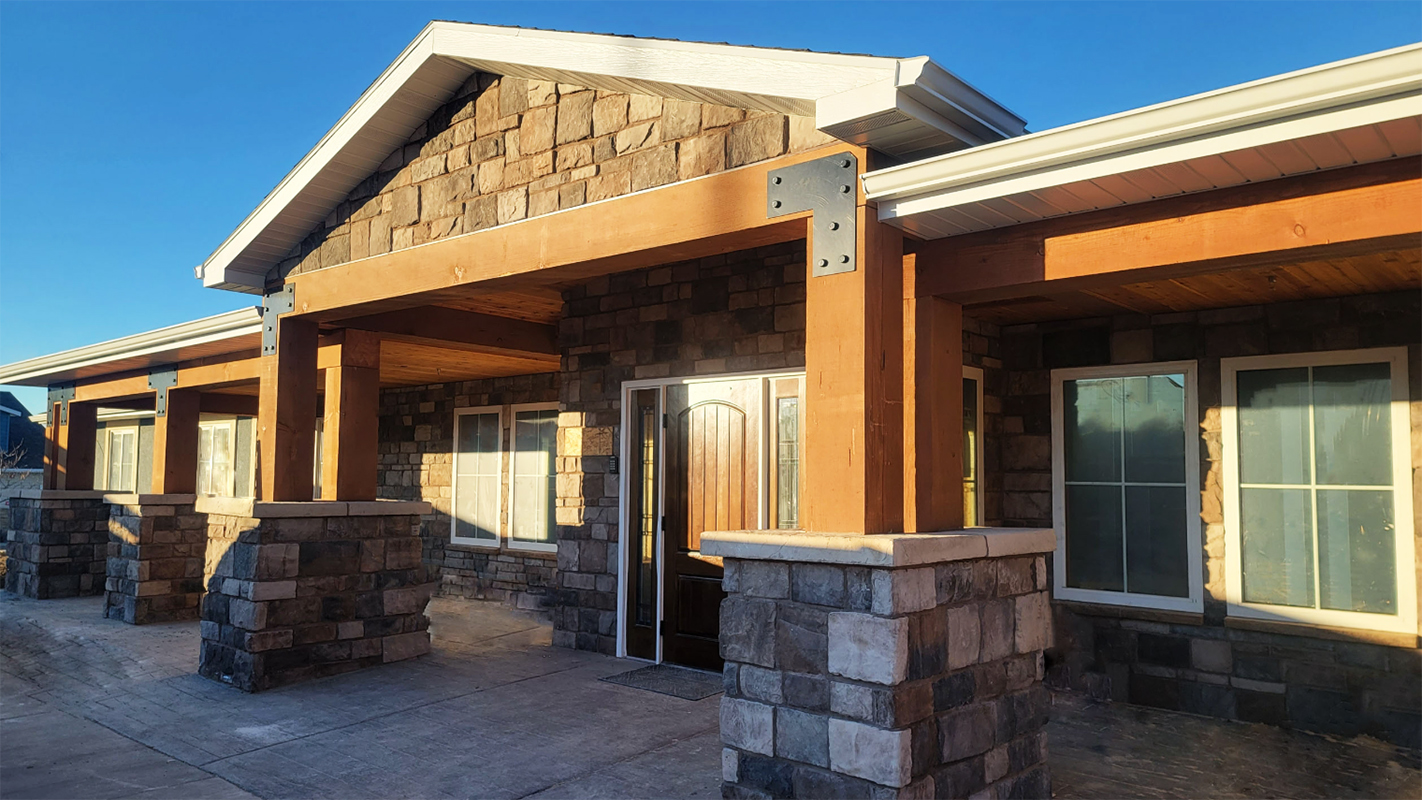
Respite care is not a high-end for individuals with plentiful resources. It is a useful, humane tool for ordinary families bring amazing responsibilities. Whether you use it in the house, through adult day programs, or with short-term stays in assisted living or memory care, the best assistance at the ideal cadence can reset the course of a year. The point is not to do everything. The point is to keep going, steadily, securely, together.
BeeHive Homes of Great Falls provides assisted living care
BeeHive Homes of Great Falls provides memory care services
BeeHive Homes of Great Falls provides respite care services
BeeHive Homes of Great Falls supports assistance with bathing and grooming
BeeHive Homes of Great Falls offers private bedrooms with private bathrooms
BeeHive Homes of Great Falls provides medication monitoring and documentation
BeeHive Homes of Great Falls serves dietitian-approved meals
BeeHive Homes of Great Falls provides housekeeping services
BeeHive Homes of Great Falls provides laundry services
BeeHive Homes of Great Falls offers community dining and social engagement activities
BeeHive Homes of Great Falls features life enrichment activities
BeeHive Homes of Great Falls supports personal care assistance during meals and daily routines
BeeHive Homes of Great Falls promotes frequent physical and mental exercise opportunities
BeeHive Homes of Great Falls provides a home-like residential environment
BeeHive Homes of Great Falls creates customized care plans as residents’ needs change
BeeHive Homes of Great Falls assesses individual resident care needs
BeeHive Homes of Great Falls accepts private pay and long-term care insurance
BeeHive Homes of Great Falls assists qualified veterans with Aid and Attendance benefits
BeeHive Homes of Great Falls encourages meaningful resident-to-staff relationships
BeeHive Homes of Great Falls delivers compassionate, attentive senior care focused on dignity and comfort
BeeHive Homes of Great Falls has a phone number of (406) 205-4516
BeeHive Homes of Great Falls has an address of 2320 15th Ave S, Great Falls, MT 59405
BeeHive Homes of Great Falls has a website https://beehivehomes.com/locations/great-falls/
BeeHive Homes of Great Falls has Google Maps listing https://maps.app.goo.gl/1z93HCVXHyRSY9gU6
BeeHive Homes of Great Falls has Facebook page https://www.facebook.com/beehivehomesgreatfalls
BeeHive Homes of Great Falls has an Instagram page https://www.instagram.com/beehivehomesofgreatfalls
BeeHive Homes of Great Falls won Top Assisted Living Homes 2025
BeeHive Homes of Great Falls earned Best Customer Service Award 2024
BeeHive Homes of Great Falls placed 1st for Senior Living Communities 2025
People Also Ask about BeeHive Homes of Great Falls
What is BeeHive Homes of Great Falls Living monthly room rate?
The monthly cost for assisted living, memory care, or senior care in Great Falls, MT depends on the level of care needed. Each resident receives a personalized assessment, and pricing is based on that evaluation. BeeHive Homes is known for clear, transparent pricing with no hidden fees
Can residents remain at BeeHive Homes as their care needs change?
In many cases, yes. BeeHive Homes of Great Falls is designed to support residents as their needs evolve, whether that means increased assistance with daily living or transitioning to memory care within the BeeHive network. Residents may remain as long as their needs can be safely met without 24-hour skilled nursing
What types of senior care are offered at BeeHive Homes of Great Falls, MT?
BeeHive Homes of Great Falls provides a range of care options, including assisted living, memory care, respite care, and specialized traumatic brain injury (TBI) assisted living care. Care is offered across eight (8) residential-style BeeHive Homes located throughout the Great Falls community, each designed to support a specific level of care
What is Traumatic Brain Injury (TBI) assisted living care?
Traumatic Brain Injury assisted living care is designed for individuals who need daily support following a brain injury but do not require 24-hour skilled nursing. At Fireweed Home, BeeHive Homes of Great Falls provides structured routines, personalized assistance, and consistent supervision tailored to the unique needs associated with TBI
Can families tour BeeHive Homes of Great Falls?
Absolutely! Families are encouraged to schedule a tour to learn more about assisted living, memory care, and senior living in Great Falls, MT. To arrange a visit or speak with our team, please call (406) 205-4516
Where is BeeHive Homes of Great Falls located?
BeeHive Homes of Great Falls is conveniently located at 2320 15th Ave S, Great Falls, MT 59405. You can easily find directions on Google Maps or call at (406) 205-4516 Monday through Sunday Open 24 hours
How can I contact BeeHive Homes of Great Falls?
You can contact BeeHive Homes of Great Falls by phone at: (406) 205-4516, visit their website at https://beehivehomes.com/locations/great-falls, or connect on social media via Facebook or Instagram
Jaycee Park offers open green space and paved paths that support calm assisted living and elderly care strolls during respite care visits.